
Why Are Corneal Measurements Critical Before LASIK?
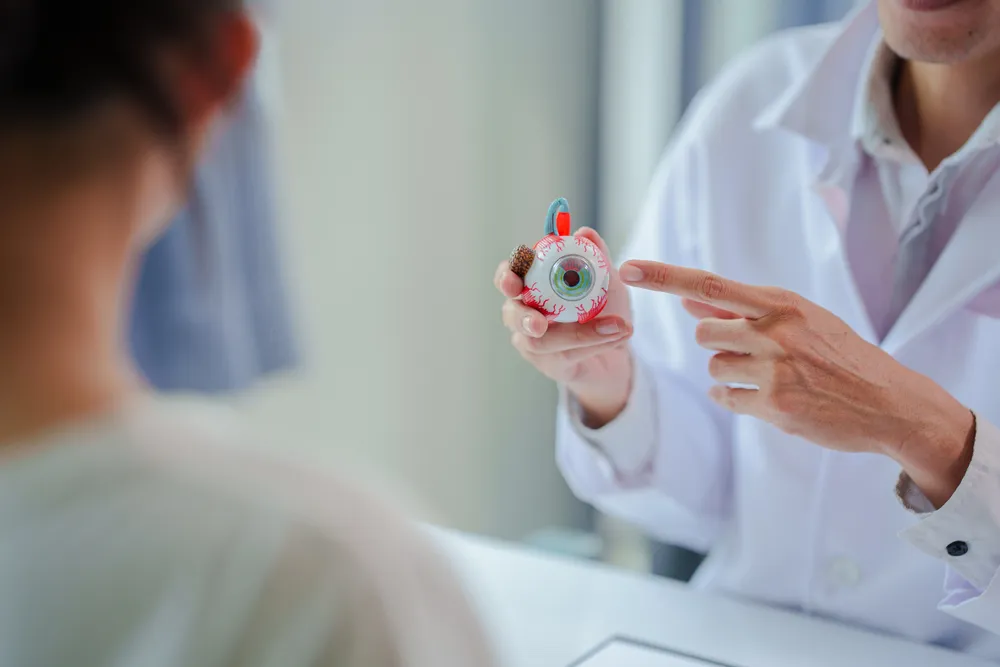
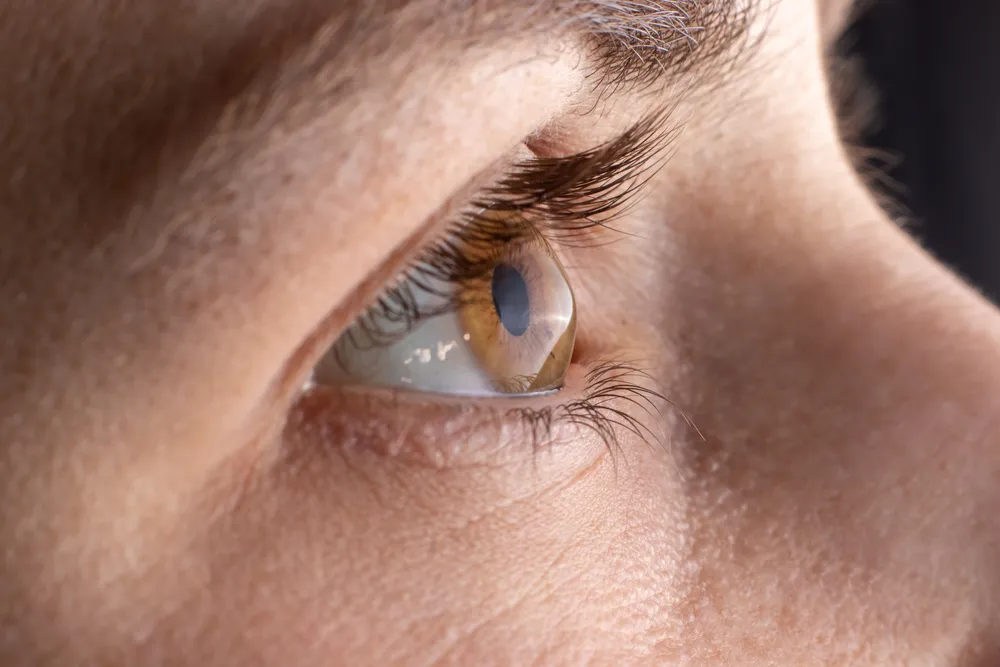
Thinking about LASIK and wondering why your doctor needs to take so many measurements before you can move forward? You aren’t alone. After all, if you’re already wearing glasses or contacts and know your prescription, you might be wondering what else your eyes could possibly need to tell us.
Quite a bit, actually.
Before LASIK, your eye surgeon needs to understand more than just how well you see. Insert corneal measurements. Corneal measurements can reveal important details about the shape, thickness, and health of your cornea, and those details can play a big role in determining whether LASIK is right for you. So, what exactly are doctors looking for, and why are these measurements so critical? Let’s take a closer look.
Why Corneal Measurements Are Critical
During LASIK, your eye surgeon reshapes your cornea to correct your vision. What does that entail exactly? We’re so glad you asked.
First, your surgeon creates a corneal flap to access the underlying stromal tissue. An excimer laser then removes a precise amount of tissue to reshape the cornea and correct your prescription. That means your surgeon needs to know how much tissue can be safely removed while leaving enough behind to support the cornea.
That’s where corneal measurements become critical. They help your surgeon plan the procedure to identify concerns in advance, such as a thin cornea or signs of corneal ectasia, before treatment begins.
What Can Corneal Measurements Tell Your Doctor?
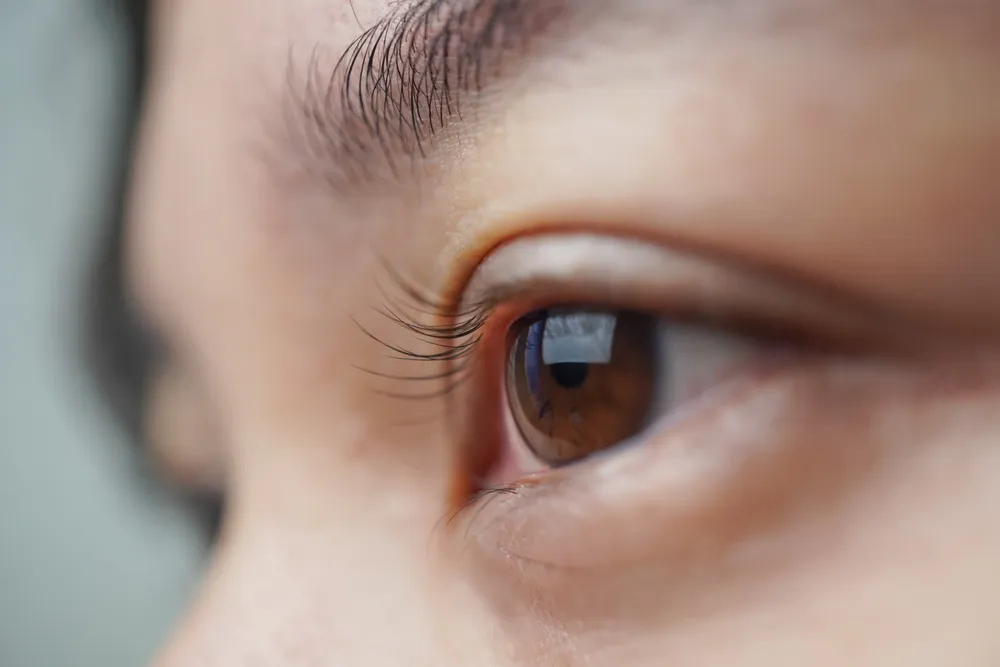
So, what can corneal measurements actually tell your doctor? Quite a bit. They provide a closer look at the cornea’s shape, curvature, thickness, and overall structure – details that wouldn’t necessarily be visible during a standard vision test.
Your surgeon can use these measurements to look for irregularities, determine how much tissue is available for treatment, and understand how your cornea may respond to LASIK. They can also help identify issues that could affect your vision correction options.
Think of it as getting a more complete picture of your cornea before making any decisions about LASIK. Your prescription tells your surgeon how you see. These measurements help tell them what’s happening with the structure of your eye. And we promise, all of this is relevant!
Why Checking Corneal Thickness Matters Before LASIK
When it comes to LASIK, corneal thickness isn’t just another number on your chart. It helps your surgeon understand how much corneal tissue is available before treatment and how much can be safely removed.
During LASIK, the laser removes a precise amount of stromal tissue to reshape the cornea. Your surgeon needs to make sure enough healthy tissue remains afterward to support the eye. That’s why checking thickness is such an important part of your eye evaluation.
What if You Have a Thin Cornea?
Imagine going through your LASIK evaluation and hearing your eye surgeon say, “You have a thin cornea.” Naturally, your next question might be, “Okay…so what does that mean for me?”
Having a thin cornea can affect which vision correction options are safest for your eyes. Since LASIK removes corneal tissue, your surgeon may determine that there isn’t enough tissue available for the planned correction.
But don’t panic. A thin cornea doesn’t automatically mean you’re out of options. Depending on your eyes, your surgeon may recommend another approach, such as PRK, which reshapes the cornea without creating the same type of corneal flap used in LASIK. The right choice depends on your corneal thickness, overall eye health, and vision correction goals.
What Can Eye Exams Tell You About the Corneal Surface?
Your eye exams aren’t only about checking how well you can see. Your surgeon will also look at the corneal surface and overall ocular surface health before moving forward with LASIK.
Why? Things like dry eye can affect both comfort and vision, and it’s helpful to know about those concerns before treatment. LASIK can temporarily affect tear production and how your eyes feel, so addressing existing dryness first may make for a more comfortable healing process.Your surgeon may also look for other surface concerns that could affect your results. Taking care of those issues before LASIK helps make sure your eyes are in the best possible shape before surgery.
How Do These Results Affect Your LASIK Consultation?
By this point, you might be wondering what your surgeon actually does with all of those measurements. That’s where your LASIK consultation comes in.
Your results help your surgeon look at the big picture, including your prescription, corneal thickness, corneal surface, eye health, and vision goals. From there, they can determine if LASIK is a good fit and develop a treatment plan based on your eyes, not someone else’s.
And if LASIK isn’t the right choice, that’s important to know, too. Your surgeon can walk you through other correction options and explain why a different procedure, such as PRK, may make more sense for you.
Ready to Find Out If LASIK Is Right for You?
So, what do all those corneal measurements mean for you? At Columbus Laser & Cataract Center, they are one part of helping our team understand your eyes and determine if LASIK is a good fit. We’ll look at your corneal thickness, the health of your eyes, your prescription, and your vision goals before making any recommendations. Because LASIK isn’t one-size-fits-all, having the right information before treatment matters.
Ready to find out what your corneal measurements could mean for your vision?